Tear Gas and Bear Spray Residue Cleanup in Northwest Denver
Tear gas powder and the pepper oil in bear spray settle on every surface and fabric they reach, and they keep burning eyes and throats until they're removed. The fix is cleaning the residue, not just the smell.
If anyone has trouble breathing, chest pain or severe eye pain, get medical help first.
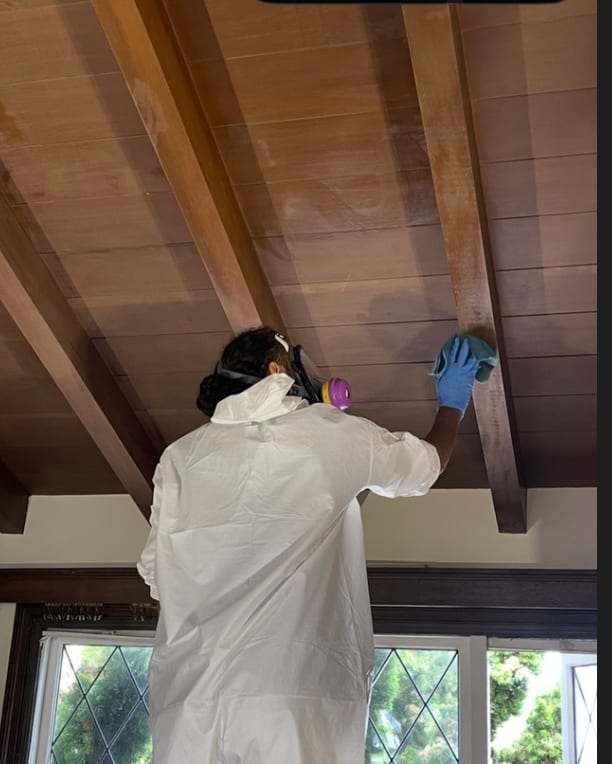
Irritant residue is a contamination problem, not just an odor
- 01
Most tear gas used by law enforcement is CS, a fine powder dispersed as a cloud that settles onto floors, walls, furniture, bedding, and the inside of ductwork.
Bear spray and pepper spray use oleoresin capsicum (OC), an oily extract of hot peppers that clings to whatever it touches.
- 02
Both keep irritating eyes, skin, and airways long after the event, especially when residue is disturbed or the heat comes on.
- 03
Cleanup means ventilating safely, removing residue from hard surfaces, deciding which soft goods can be cleaned and which should be discarded, and addressing the air system.
A thorough job works through each room and treats lingering odor only once the residue is gone.
Residue should come off surfaces first. Ask any provider whether ozone or perfume will be used; neither removes the irritant.
Go deeper on irritant residue
Field notes and checklists on powder, oil, vehicles and the air system.
- Field notes
Each field note takes a single question about irritant residue: why the furnace makes symptoms flare, how capsaicin oil differs from CS powder, what to do with a soaked car seat, how renters and landlords split the work, and how to protect skin, eyes and lungs while it happens.
- Checklists & forms
These checklists and forms are meant to be used, not just read.
- Examples
Every example here is hypothetical, built from common patterns rather than any real household, vehicle or business.
- Areas served
Northwest Denver neighborhoods sit close together but are built differently: early bungalows, Victorian houses, postwar brick ranches, new lakefront condos and suburban split-levels across the county line.
Two kinds of residue, two cleanups
Tear gas (CS)
CS is a fine powder. It settles on floors, sills, furniture and fabric and gets pulled into air ducts. Dusting, sweeping or a regular vacuum puts it back in the air, so the safe first step is HEPA vacuuming, not a broom.
Bear spray and pepper spray (OC)
These are capsaicin in an oily carrier. The oil clings to surfaces and soaks into fabric and foam, and water alone smears it around. Cleaning has to lift the oil, and soft materials are treated or set aside.
Many incidents involve both, along with smoke from munitions. A good assessment identifies what's present in each room.
Why this matters in Colorado
Bear spray is common gear for Colorado hikers, campers, and hunters, and it's often stored in garages, mudrooms, and vehicles, where heat or a dropped canister can cause an accidental discharge. Tear gas exposure is less common but more severe: when law enforcement uses it during a barricade or standoff, the affected home and sometimes neighboring units can be unlivable until residue is removed.
Berkeley and the surrounding northwest Denver neighborhoods have a mix of older bungalows, newer infill homes, and rentals, many with attached or detached garages where outdoor gear is stored.
- This guide covers Berkeley, Regis, Sunnyside, West Highland, and the wider metro area.
- Some homeowners policies have covered cleanup after police use of tear gas; coverage varies, so call your insurer early.
- Store bear spray in a cool, secured place, never loose in a hot car.
- Anyone with breathing problems should get medical advice before re-entering an affected space.
ZIP codes served: 80212 (Denver), 80211 (Denver).
Also nearby: 80202, 80214, 80204, 80221, 80033, 80003, 80205, 80030, 80216, 80203, 80002, 80218, 80215.
Right after exposure
- Ventilate with windows open and fans blowing out, and keep children and anyone with asthma away.
- Turn the HVAC system off until filters can be changed and the ducts evaluated.
- Don't vacuum with a regular vacuum or use a leaf blower; they spread powder into the air.
- Photograph rooms and belongings before cleanup if you'll be filing an insurance claim or a claim with an agency.
Residue removal, room by room
Each space is handled in an order that avoids spreading residue into rooms that are already clean.
The air system carries it everywhere. If the furnace or AC ran during or after exposure, residue went into the return ducts and back out through every register. Until the system is dealt with, freshly cleaned rooms can be recontaminated. Leave the system off. A thorough plan should include the filter, returns, supply registers and the air handler.
- Step 1
Assess exposure
Where the gas or spray reached is identified, including closets, the attic, the HVAC system, and any vehicles.
- Step 2
Sort soft goods
Items that can be laundered or treated are separated from porous items that are better discarded.
- Step 3
Clean surfaces
Residue comes off walls, floors, fixtures, and furniture, working top to bottom.
- Step 4
Address the air system
Filters are replaced and ductwork evaluated, with duct cleaning when residue reached it.
- Step 5
Treat lingering odor
Remaining odor is neutralized, and each room is walked through before you move back in.
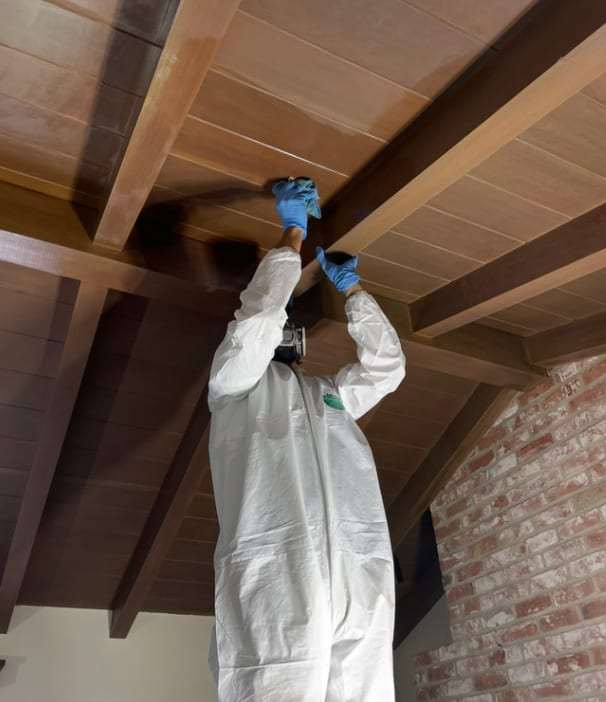
Bear spray in a vehicle
Colorado drivers carry bear spray for hiking, and a can that discharges in a hot car or gets punctured in a trunk fills the cabin in seconds. The oil coats seats, headliner, carpet and the vents, and running the blower spreads it again.
Don't drive the vehicle with the fan on. Open the doors to air it out, remove loose items, and get advice before trying to scrub fabric seats, which can push the oil deeper.
Common irritant-residue situations
| Situation | What it usually involves |
|---|---|
| After a police operation | A family returns home after officers used tear gas during a standoff on their block, and the house still makes their eyes water a week later. |
| Bear spray in the car | A canister in a door pocket discharges on a hot day, coating the dashboard, seats, and vents of an SUV. |
| Garage accident | A bear spray can falls off a shelf and breaks open in an attached garage, and the residue drifts into the mudroom. |
Residue cleanup questions
- Is tear gas cleanup covered by homeowners insurance?
- Sometimes. Some insurers have paid for cleanup after police used tear gas in a home; others dispute it. Report the loss promptly, document everything, and ask your insurer how they treat it.
- How long does tear gas residue last indoors?
- CS residue doesn't reliably break down on its own in a closed house. It can keep irritating people for weeks or longer until it's physically removed from surfaces and fabrics.
- Can bear spray be cleaned out of a car?
- Usually, yes. Hard surfaces, vents, and the cabin air filter are cleaned or replaced, and upholstery is treated; heavily soaked fabric may need replacement.
- Should I just open the windows and wait?
- Ventilation helps with what's in the air, but residue on surfaces and fabrics stays until it's cleaned. Waiting often means weeks of discomfort.
- Can my clothes and bedding be saved?
- Many washable items can be laundered separately, sometimes more than once. Mattresses, upholstered furniture, and absorbent items that took a heavy dose may not be salvageable.
- Is it safe to stay in the house during cleanup?
- It's best to stay elsewhere until the main cleanup is done, especially for children, older adults, and anyone with asthma or other breathing problems.
- Will my insurance pay for tear gas cleanup?
- It depends on your policy and on how the exposure happened, and only your insurer can decide. Take photos and keep receipts before cleanup starts, and ask your insurer before you hire anyone.
Describe the exposure
This form is not connected. This website is a draft preview: no business has been confirmed to receive requests, so the fields below are switched off and nothing can be sent. In an emergency, call 911.